
Might AI transcripts have a chilling effect on team bonding?
There's an AI notetaker in most of my meetings now, turning everything into a permanent, searchable record. I keep wondering what that does to the rapport-building and playfulness that colleagues need to grow into tight, effective teams.
Repairing damaged peer relationships
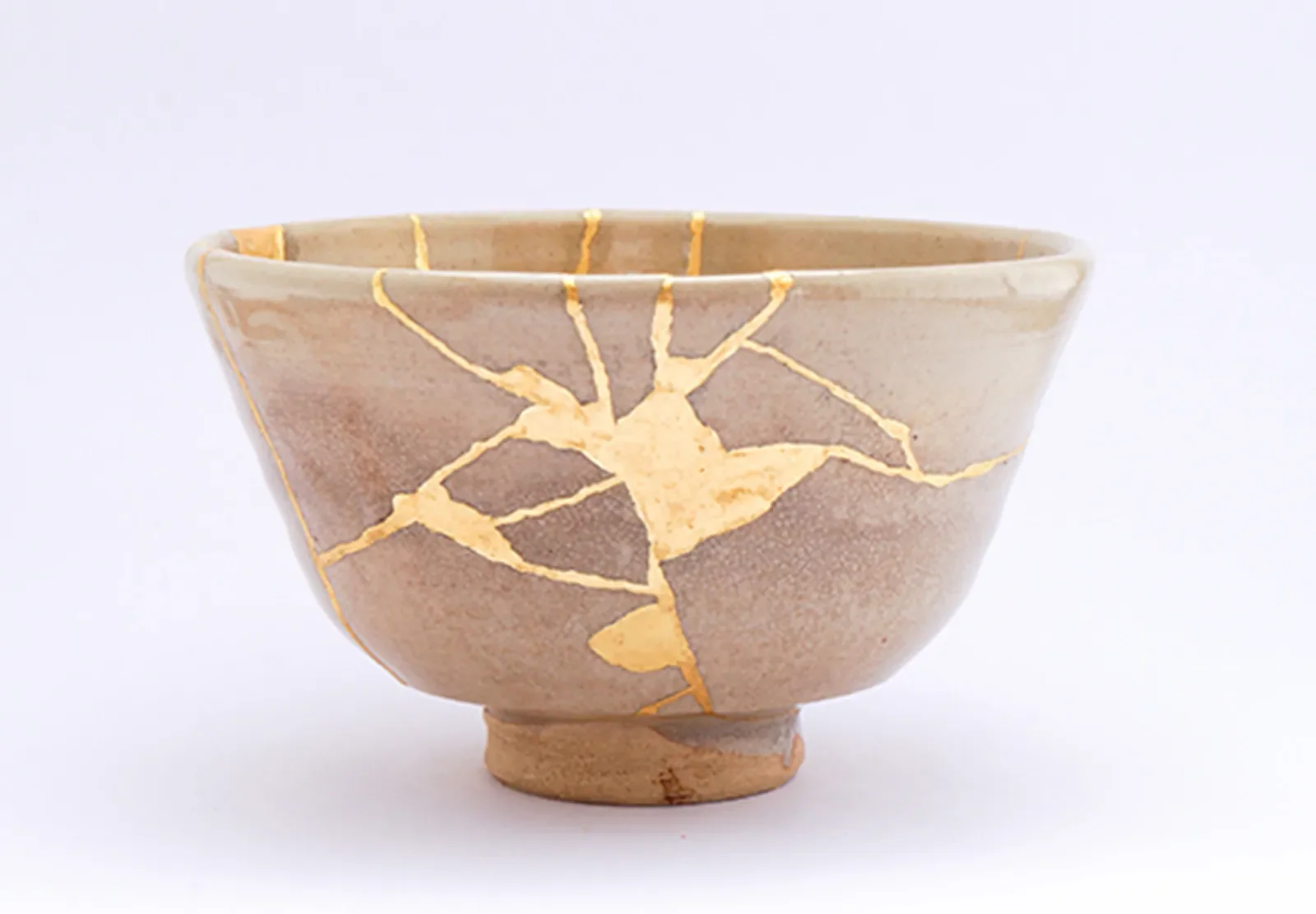
Most damaged lateral peer relationships never rupture. There's no row, no betrayal, no dramatic falling-out that you can point to as the moment it went wrong. The relationship just cools - someone pulls away instead of leaning toward. You can fix that - as long as you notice.

The Flinch
An email lands and your body reacts before you've read a word: shoulders up, stomach tight. It's worth paying attention to what that flinch is telling you, what it does to a team over time, and what a leader owes the people who feel it.
But we’re already doing…agile
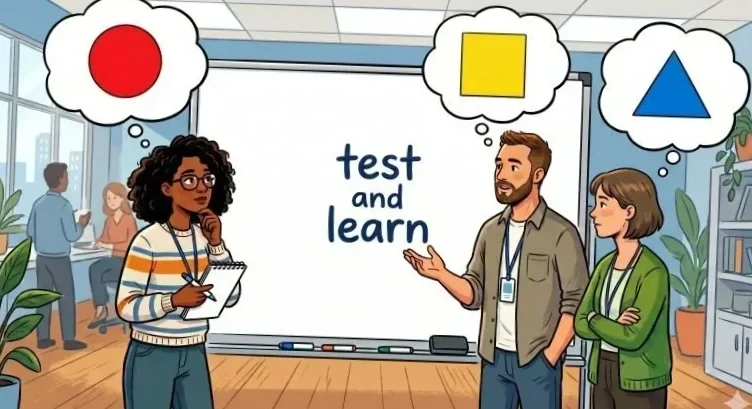
Daily stand-ups, a Kanban board, Jira, retros, a roadmap, and a lot of complaints. Plenty of teams have every ceremony of agile and none of the results - so what’s missing?

5. Putting this into practice
Realistic optimism without action is just a nice attitude. Here's how to turn the yeah-buts into a plan and the small steps into momentum.

4. What you expect of people is what you get
What you expect of your team shapes what they deliver. The Pygmalion effect has been tested hundreds of times and it's never been debunked. So what are your expectations teaching people?

3. What you see (and what you're choosing not to)
Where you put your attention shapes what you believe is possible. Most of us are doomscrolling our own experience without realising it.

2. The cost of your explanatory style
Your explanatory style is the story your brain tells you before you've had time to think. Here's how to catch it — and change it.
1. Radical Optimism Redux
Cynicism might feel intellectually rigorous, but it's never actually helped anyone get anything done. Here's what I think works instead — and the bit I want to argue about.
Feedback: a gift, or a kick in the teeth?
Feedback can be a genuine gift, the thing that helps someone get better. It can also do real damage, even when it's accurate, if hearing it knocks the person's confidence. So it's worth knowing when to give it and when to sit on it.

Walking the talk on lifting the women around you
If you have a decent gender balance across the whole company but it thins steadily the higher you look, until the board is frankly embarrassing - well, that means you’ve got a leaky pipeline. Work on fixing that - here are some ideas for where to start.

A truly caring workplace watches the waves
After a few years thinking about burnout and workplace trauma, I've decided our usual models of resilience and "how things are going" are wrong. A caring workplace watches the conditions, not just the people.

Future retrospective
I've been coaching since 2007, and this is the exercise I reach for most, with executive teams and individuals alike. You stand in an imagined future and look back, and it reliably shifts what people do next.