Swansongs and lame duck leaders
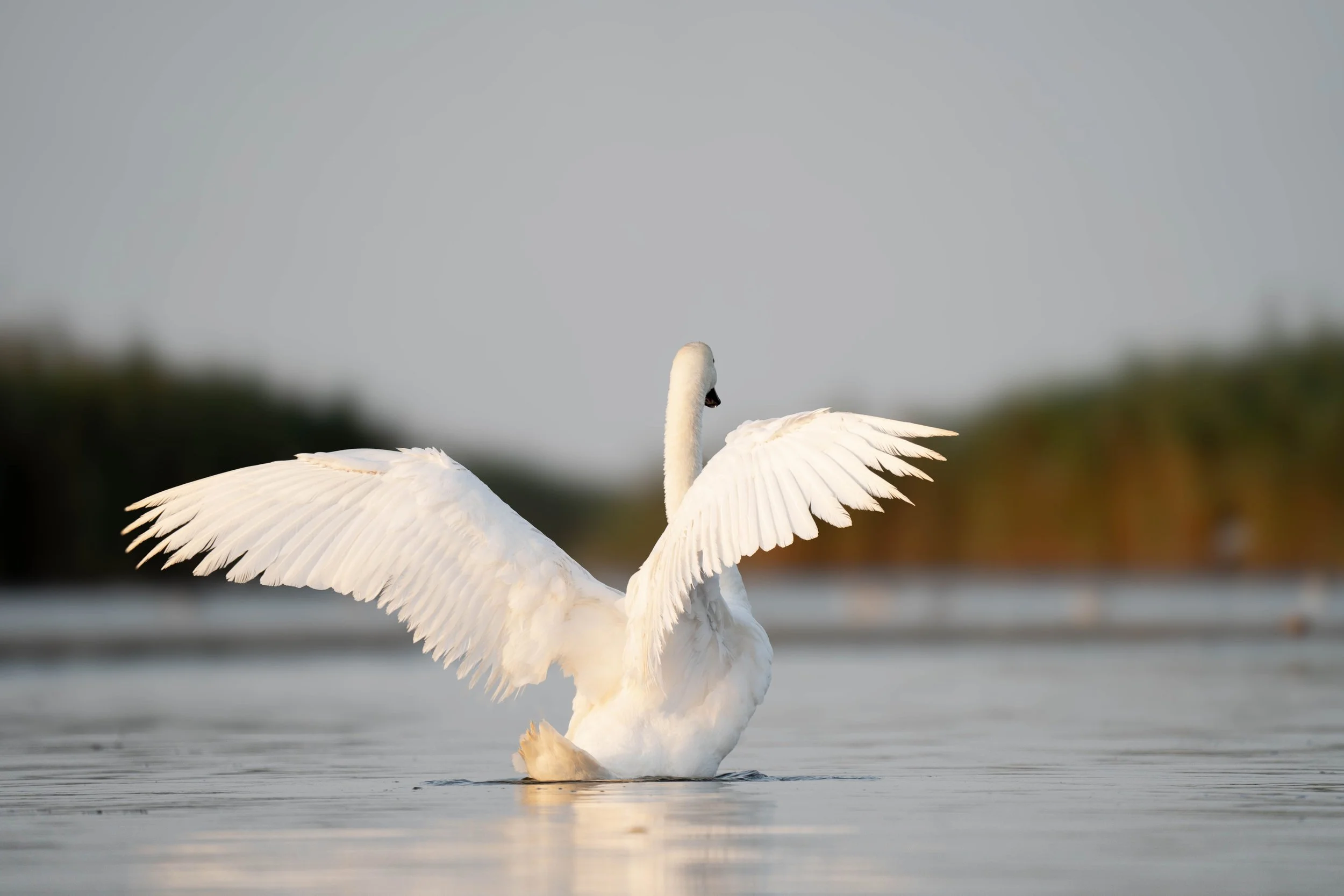
Swansong and lame duck leaders: people rarely talk about them (it’s not polite?) but most large organisations are faced with them at some point and so it doesn’t make sense to pretend it’s not a thing.
The first (swansong) are well-intentioned but can cause significant damage by prioritising their legacy - one final big splash - over the organisation’s actual needs.
The second (lame duck) have a foot out of the door and everyone knows it - they may be disengaged, causing disruption, or simply struggling to retain influence as their peers don’t see their buy-in as relevant any more.
These are talent management challenges commonly off the radar - but they can be really big problems.
So what should you do?
Not every leader leaving their role or heading into retirement is a swansong or lame duck leader - but if you do have one:
* limit their decision-making authority to prevent them causing disruption, or to prevent them making strategic pivots during their transition. Perhaps require dual sign-off on any major commitments with the incoming leaders.
* monitor for sabotage or passive disengagement - to avoid stonewalling on decisions, hoarding information, or undermining the incoming leaders. Senior leaders who choose the easy life over having hard conversations can trigger high levels of attrition at all levels of the organisation: don’t be tempted to wait them out.
* accelerate the transition (the longer it drags on, the more damage can be done).
* empower incoming leaders early (a visible and authoritative successor - perhaps even splitting the leadership role in the final weeks), and make sure senior leadership backs the incoming leader and their direction early.
* give the outgoing leader a meaningful role in the transition - purposeful engagements - lessons learned, strategic reviews, project closures.
* protect institutional knowledge - with decent documentation and proper handover
* publicly acknowledge their contributions now, to reduce anxieties driving their behaviour.