
Might AI transcripts have a chilling effect on team bonding?
There's an AI notetaker in most of my meetings now, turning everything into a permanent, searchable record. I keep wondering what that does to the rapport-building and playfulness that colleagues need to grow into tight, effective teams.

What’s your bureaucracy ratio?
Every organisation has people who do things and people who spent a lot of time only talking about doing things. The ratio between the two tells you most of what you need to know about whether change will actually happen here.

Swansongs and lame duck leaders
Two kinds of outgoing leader do real damage: the one chasing a legacy and the one who has already mentally left. Both can really hinder the people they leave behind - but there's a better way to handle the last stretch.

Unbridled techno-optimism
"This is the worst these tools will ever be," people say about AI. I want to add some realism, because software degrades, data rots, and progress is a choice we keep making rather than a law of physics.

Repairing damaged peer relationships
Most damaged lateral peer relationships never rupture. There's no row, no betrayal, no dramatic falling-out that you can point to as the moment it went wrong. The relationship just cools - someone pulls away instead of leaning toward. You can fix that - as long as you notice.

Translucency
Most of what we call transparent is really translucent: the light gets through, but it's been filtered and coloured on the way to you. So we need to stop treating information shared in the name of “transparency” as indisputably objective - because it isn’t.

Your risk aversion is riskier
There's no risk-free option, only risks you've decided not to look at. How I size a risk honestly, and why starting small enough to survive being wrong beats trying to avoid it altogether.

The Flinch
An email lands and your body reacts before you've read a word: shoulders up, stomach tight. It's worth paying attention to what that flinch is telling you, what it does to a team over time, and what a leader owes the people who feel it.

Spurious detail, false certainty - we need to get more comfortable with "just enough"
The more detail and certainty you insist on before you start, the lower your chances of reaching the outcome you wanted. I had to learn to set off with just enough of a plan.
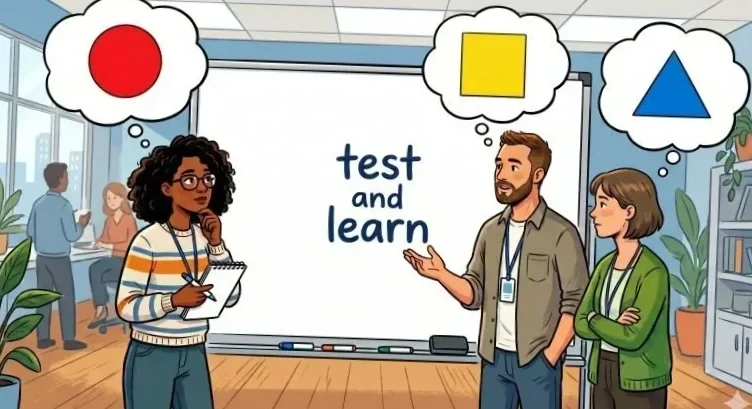
But we’re already doing…agile
Daily stand-ups, a Kanban board, Jira, retros, a roadmap, and a lot of complaints. Plenty of teams have every ceremony of agile and none of the results - so what’s missing?

AI is giving early 2008
I've been trying to figure out why I’ve been feeling so very uneasy recently. The honest answer is that it feels like the months before the financial crisis, and I saw that one unfold up close.
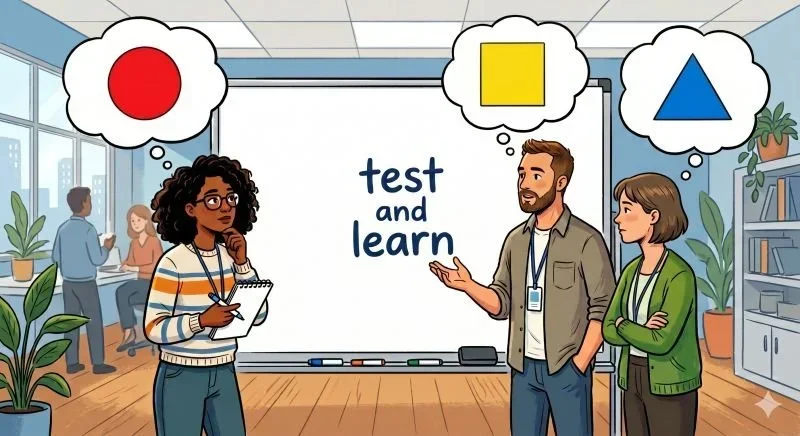
But we’re already doing…multidisciplinary teams
Multidisciplinary team, agile, outcome-focused, user-centred: tick, tick, tick, tick. So why no results? Because those labels are shorthand for conditions you might not actually have in place.

4. What you expect of people is what you get
What you expect of your team shapes what they deliver. The Pygmalion effect has been tested hundreds of times and it's never been debunked. So what are your expectations teaching people?

3. What you see (and what you're choosing not to)
Where you put your attention shapes what you believe is possible. Most of us are doomscrolling our own experience without realising it.

2. The cost of your explanatory style
Your explanatory style is the story your brain tells you before you've had time to think. Here's how to catch it — and change it.

1. Radical Optimism Redux
Cynicism might feel intellectually rigorous, but it's never actually helped anyone get anything done. Here's what I think works instead — and the bit I want to argue about.

Demanding predictable solutions for uncertain and complex problems
Wanting to know exactly what your money buys is fair enough. But when the problem is genuinely uncertain, the more certainty you demand up front, the worse your odds of actually solving the problem.

Recalibrate your approach to strategic risk to achieve your goals
The public sector's instinct is to prevent and eliminate risk wherever it can. That compliance instinct feels responsible, though ironically its often the thing stopping people from getting anything done.
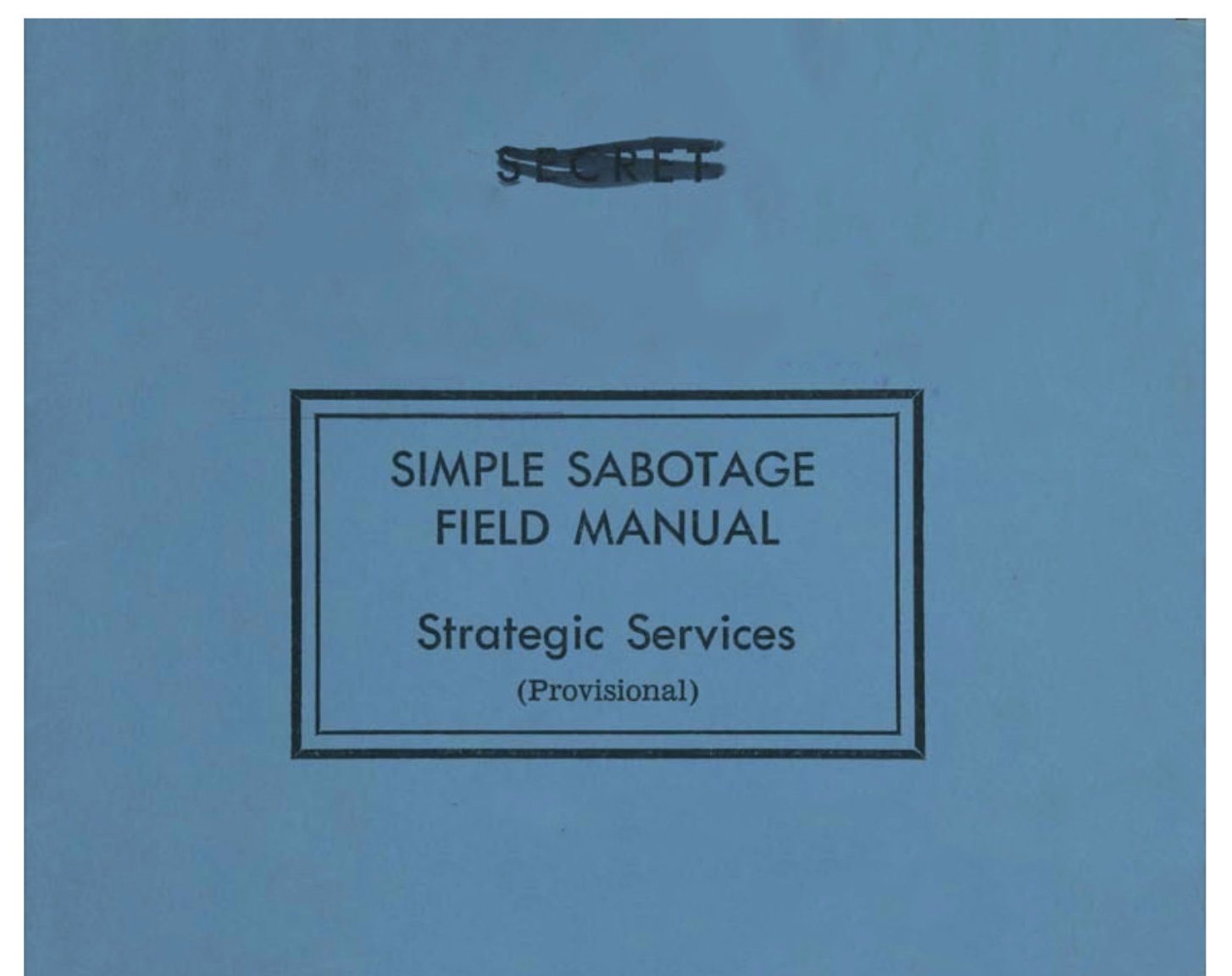
Organisational self-sabotage: name it to tame it
In 1944 the CIA's predecessor taught ordinary citizens how to quietly wreck their own workplaces. Eighty years on, every one of those tactics is alive and well in a meeting near you.

Yeah but…how can we invest in continuous improvement when there’s no more money?
The opportunity of government service transformation is immense - but how do we fund it when the pot is empty?