Translucency
I woke up thinking about transparency today.
I don’t think it’s valuable for its own sake (few things are), so we have to judge its value in relation to what it’s there to achieve.
It provides the information that fuels understanding (so is a type of communication).
That helps people align around goals, have a shared picture of what’s happening, take decisions, those sorts of things.
And it also enables folks to contest things, and hold other people and organisations accountable for outcomes and the role their decisions played in them.
For these things to happen, so much more is needed than sharing (remember the World Bank report that revealed a third of the policy documents they’d published online had never been opened - that’s because sharing alone does not achieve transparency).
Data needs to be accessible, received, legible, and comprehensible - or else it it won’t be effectively communicated and the benefits of transparency won’t be fully realised.
After a little more dozing I got thinking about the nature of transparency.
We treat it like it’s able to be an objective thing. But it can’t be.
Even at its most objective-feeling (as communicated data without any editorial or narrative), it is still neither neutral nor objective.
I’s never truly raw - deliberate choices have been made about what to measure, how to to classify it, what (and who) to ignore.
It encodes historical biases, reflects unequal power structures.
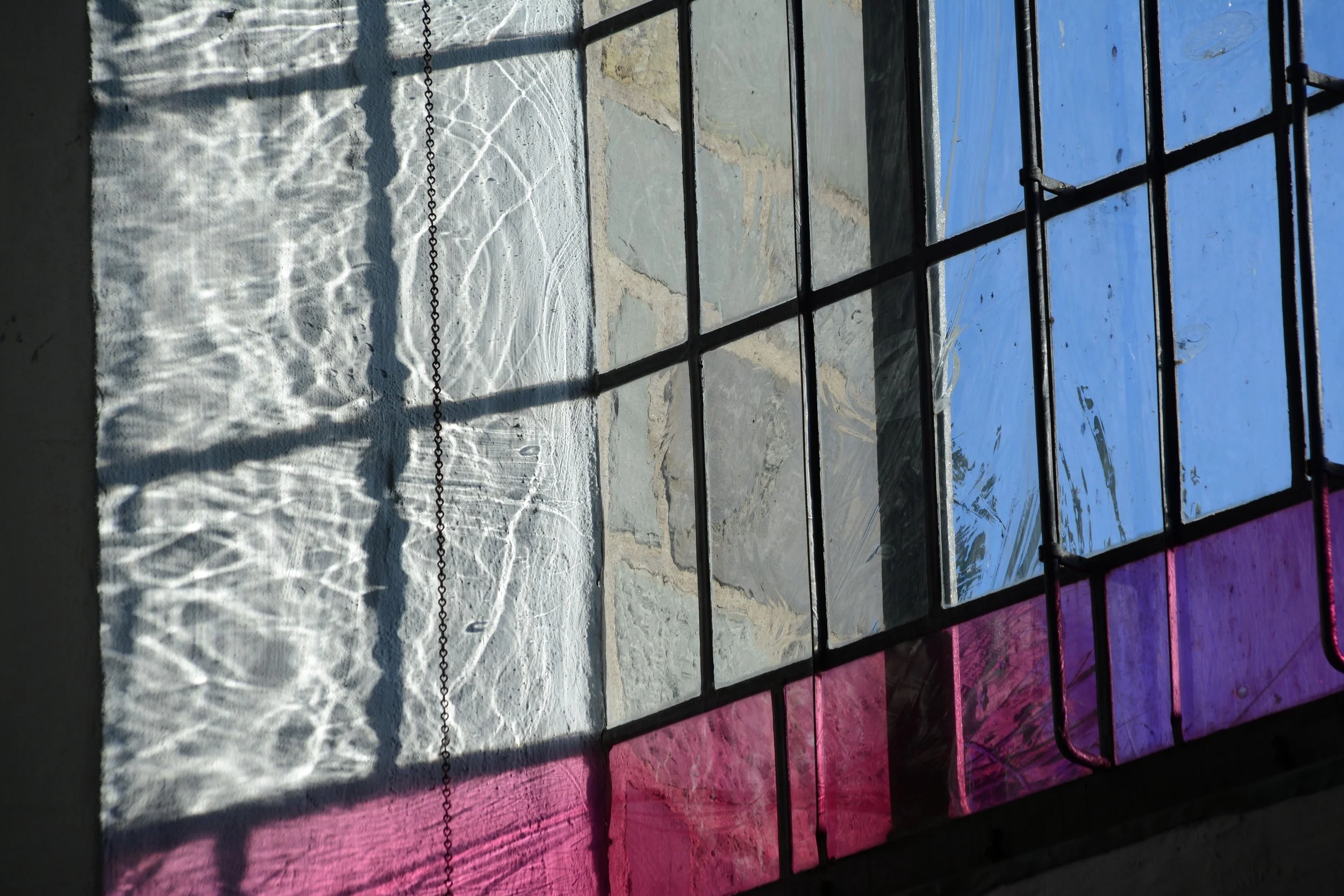
So maybe we should think about it TRANSLUCENCY rather than transparency - to remind us that we’re not seeing an objective reality.
Materials that are transparent but coloured are described as translucent. They allow light to pass through them so you can see objects on the other side, but they filter that light to give it a specific hue.
Translucency, rather than transparency.